
Spice with an intense taste, clove brings a warm atmosphere and harmonizes the aroma of your recipe. It can be found in several traditional French family recipes such as the chicken in the pot, the blanquette of veal..

Your order will be prepared quicklyShipping
What is clove?
Clove is the fruit of the clove tree (Syzygium aromaticum), a tree of the Myrtaceae family. This spice comes from the Moluccas, an Indonesian archipelago. The clove tree is distinguished by its evergreen foliage with oval leaves and its height between which can go up to 20 meters for the highest specimens.
The flowers of the clove tree are composed of 4 pink and white petals and red sepals. The clove is a spice with an intense taste that is used sparingly.
The harvest of the clove
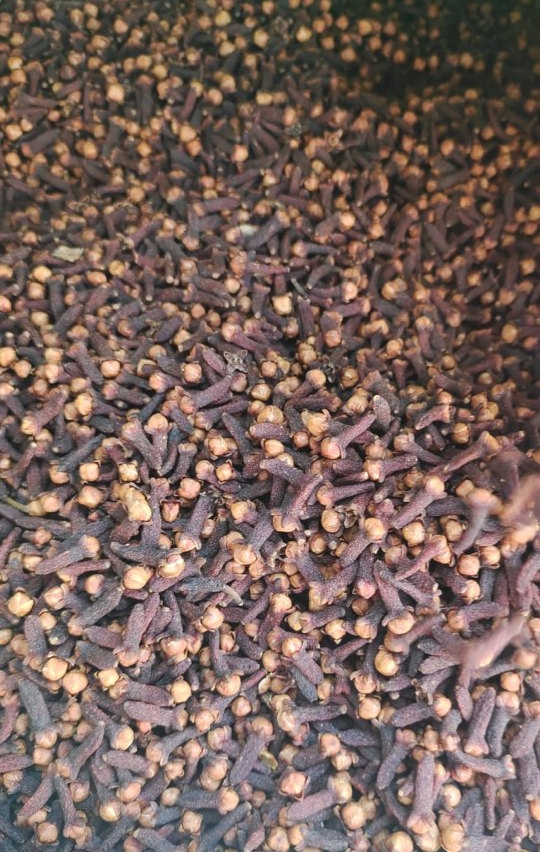
The clove is in fact the flower bud that is harvested by hand before hatching and put to dry. By dehydrating, it takes its dark brown color.
Cloves are harvested in the following tropical countries:
- Zanzibar
- Madagascar
- Indonesia
- Sri Lanka
- Malaysia
David’s Choice Vanilla : I chose to introduce you to the clove from Indonesia for its intense taste and because this country is the first producer. The clove is a must in the rustic kitchen. It enhances the great classics such as pot au feu, blanquette de veau or mulled wine.
The origins of cloves
Originally from the North Moluccas, cloves are an ancient spice whose first traces date back to 1700 BC. It is in Syria, and more precisely in Terqa in the heart of archaeological ruins, that it was discovered.
The clove has been used in many civilizations. If the first accounts that speak of it go back to around 200 BC, the discovery of its presence in Syria in – 1 700 BC could be proof that the trade of this spice is much older.
The use of cloves differed from country to country:
- In China: it was chewed to treat breath and its benefits were praised
- In Syria: it was used in cooking
During the colonization of the Moluccas archipelago, the Portuguese seized the monopoly on the harvest by burning all the clove trees that were not on the island of Ternate. They were replaced by the Dutch, who also decided to take the benefits of clove production.
The clove in Europe
It was Pierre Poivre, botanist, farmer and French colonial administrator who discovered the clove and brought back some plans to the West Indies.
It is important to know that in the Middle Ages, the clove was a valued spice, mainly reserved for the elite.
Did you know that? the clove represents for Christians the symbol of the nails used to crucify Jesus on his cross.
The clove nowadays
Spice appreciated in cooking, the clove also enters the composition of Indonesian cigarettes: Kreteks. Today, the annual harvest of cloves amounts to 140 000 tons. Indonesia is the main producer, taking nearly 70% of the harvest. Madagascar is the second largest producer with over 15% of the market share.
Did you know? 95% ofthe world’s clove production is used to make cigarettes in Indonesia.
Did you know? like acai, spirulina and turmeric, cloves are a superfood. This means that it has an exceptional nutritional value and that it has beneficial health properties.
How to use cloves in cooking?
Clove is appealing because its taste is as strong as that of whole cloves. It allows to dose more precisely the seasoning. It is particularly appreciated in pastry making where it is perfectly integrated into flours and other appliances.
Our recipe ideas with cloves
Would you like to discover the flavors of our clove? Here is a 3-course menu with original and tasty recipes.
The starter: Scallops snacked with cloves
Here is a light and iodized starter that goes perfectly with the powerful aromas of cloves. Snack your scallops over high heat. Make a vegetable stock with onions and leeks. In a soup plate, pour a ladle of broth. Arrange your scallops. Add salt and pepper and one or two cloves. Slice a spring onion and garnish your plate. Serve warm with a dry white wine.
The dish: The traditional chicken pot
A unique dish that brings people together and in which the clove subtly develops its aromas. Cut the chicken into pieces. Place it in a casserole dish surrounded by the following chopped vegetables: onions, leeks, celery. Add a bouquet garni. Cover with water, add a clove and a little nutmeg. Let cook for 2 hours over low heat. Drain the vegetables and continue cooking the chicken. 15 minutes before the end of cooking, add the vegetables and check the seasoning. A tasty winter dish to serve with a good red wine and steamed potatoes.
Dessert: Candied Fruit Cake
This is a comforting dessert that can be enjoyed with coffee at the end of a meal or as a four-hour snack. We particularly like the combination of candied fruits and cloves. Cut your candied fruits in small pieces: figs, prunes, apricots… Crush dried fruits: almonds, hazelnuts, pistachios… Put everything in a bowl, add the flour, a clove and cinnamon powder, 75 cl of liquid honey, 15 cl of rum. Add two beaten eggs. Pour the mixture into a cake tin and bake for 40 minutes at 170°C. Excellent also as a starter with mountain cheese.
How to store your cloves?
To store your cloves, we advise you to use an airtight container, preferably a jar. Like many spices, cloves keep their taste qualities longer if stored away from light and in a dry place.
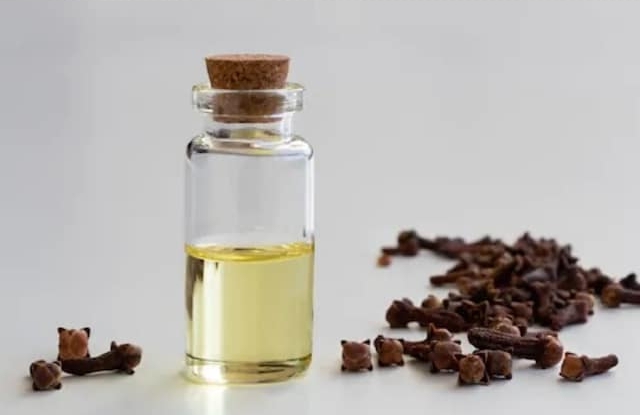
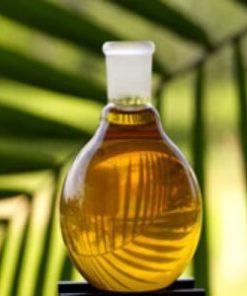
Organic Clove Essential Oil
With its warm and spicy aroma, Organic Clove Bud Essential Oil, Eugenia caryophyllata, offers numerous applications within beauty, cosmetic, aromatherapy and soapmaking applications.
Organic Clove Bud Essential Oil is a warming and energizing essential oil that can help reduce mental fatigue, improve clarity, help maintain alertness and support healthy digestion.
Clove Oil is often used within a number of personal care, wellness and dental applications, and we encourage you to research the numerous benefits of this helpful oil. It does pose a higher risk of skin sensitization and we encourage heeding IFRA and Tisserand/Young’s maximum 0.5% dermal limit for the oil for leave-on skin formulations.
Organic Clove Bud Essential Oil is wonderful to use year-round, but it is especially lovely for seasonal use during the Autumn and Winter seasons. It wonderful for use in home fragrancing, diffusion and potpourri blends. It is also considered to be an aphrodisiac.
Organic Clove Bud Essential Oil blends especially well with essential oils in the wood, spice, citrus, floral and herbaceous families. It can be helpful in helping to improve the aroma of blends and formulations that have a “medicinal” or unpleasant scent to them.
For topical formulations intended for adults, Essential Oil Safety Edition 2 by Robert Tisserand and Rodney Young recommend a dermal maximum of 0.5% for Organic Clove Bud Essential Oil.
Origin: Sri Lanka
INCI: Eugenia Caryophyllata (Clovebud) Oil
Extraction Method: Steam Distilled
Typical Shelf Life*: 5 Years
*Typical Shelf Life begins on the date of manufacture and is defined as the typical shelf life of an ingredient when it is stored and handled properly. The Typical Shelf Life is offered as a general guideline. It should not be considered to be an expiration date. Many ingredients are usable beyond the stated date, especially when stored and handled very carefully.
Wholesale Pricing: [wholesale pricing info]


Reviews
There are no reviews yet.